Art From Renaissance Cotton Textile Production in India Ap World History

The previous era was dominated by European discovery. This era is dominated past how these Europeans handled their new-institute success both ECONOMICALLY (Industrial Revolution) & POLITICALLY (Revolutions)**. Much like the Mongols and Muslims of the Mail Classical, this era is substantially the Industrial Revolution & the Enlightenment-driven Revolutions (French, US, Latin America, etc.). Ane could argue that the Industrial Revolution is the most important thing that ever happened. Besides the Columbian Exchange, its the but other thing I can guarantee that will be on the AP test. This is also the only era with 4 subsections: Industrial Revolution, Imperialism, Revolution, and Migration. This is the Modern Era...
(**Alarm: DO Non Become TOO EURO Here. LOOKING THROUGH THE CURRICULUM Below, IT SEEMS THAT THE FOCUS OF THIS ERA IS EUROPE/WEST. EUROPE's DOMINATION WAS Merely ASSURED Past THE Cease OF THE Flow, 1900. IN 1750, Mainland china IS THE WORLD's BIGGEST MANUFACTURER. Prc Volition REMAIN THE LARGEST MANUFACTURER UNTIL THE 1830s AND WASN't SURPASSED BY THE US UNTIL THE 1880s. Then, DON'T SKIP PAST China, JAPAN, the OTTOMANS, LATIN AMERICA, and AFRICA!!!!)


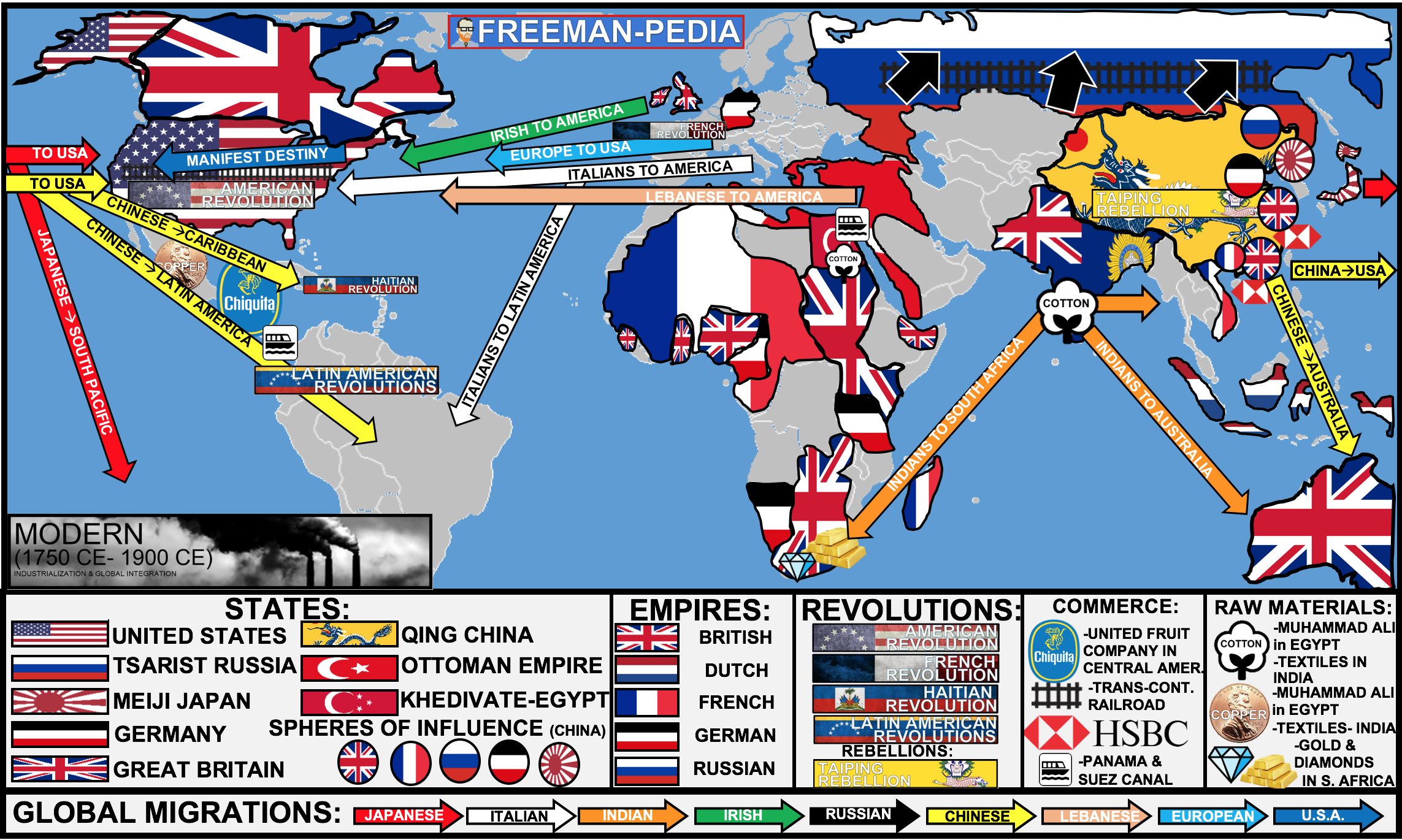


Industrialization fundamentally altered the product of goods effectually the earth. It non only changed how goods were produced and consumed, as well every bit what was considered a "expert," but it as well had far-reaching effects on the global economic system, social relations, and civilization. Although information technology is common to speak of an "Industrial Revolution," the process of industrialization was a gradual one that unfolded over the course of the eighteenth and nineteenth centuries, eventually becoming global.


The banner above takes you to a discussion of the Virginia SOL data/videos/notes on this topic

I. Industrialization fundamentally changed how goods were produced
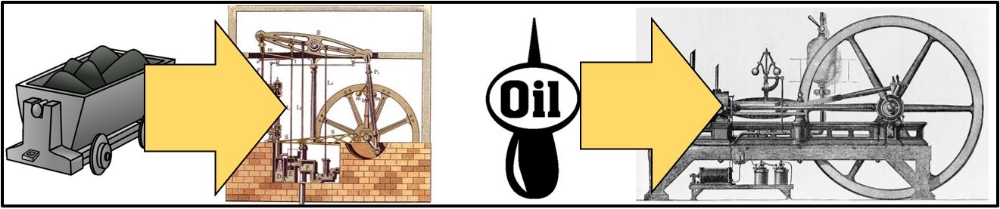
B. The evolution of machines, including steam engines and the internal combustion engine, made information technology possible to take advantage of vast new resources of energy stored in fossil fuels, specifically coaland oil. The fossil fuels revolution greatly increased the energy available to human societies.

Watt'southward Steam Engine

Internal Combustion Engine


D. As the new methods of industrial product became more common in parts of northwestern Europe, they spread to other parts of Europe and the U.s., Russia, and Japan.

Eastward. The "2d industrial revolution" led to new methods in the production of steel, chemicals, electricity and precision machinery during the second half of the nineteenth century.
II. New patterns of global trade and production developed and further integrated the global economy as industrialists sought raw One thousandaterials and new Markets (G&Msouthward) for the increasing amount and array of appurtenances produced in their factories.
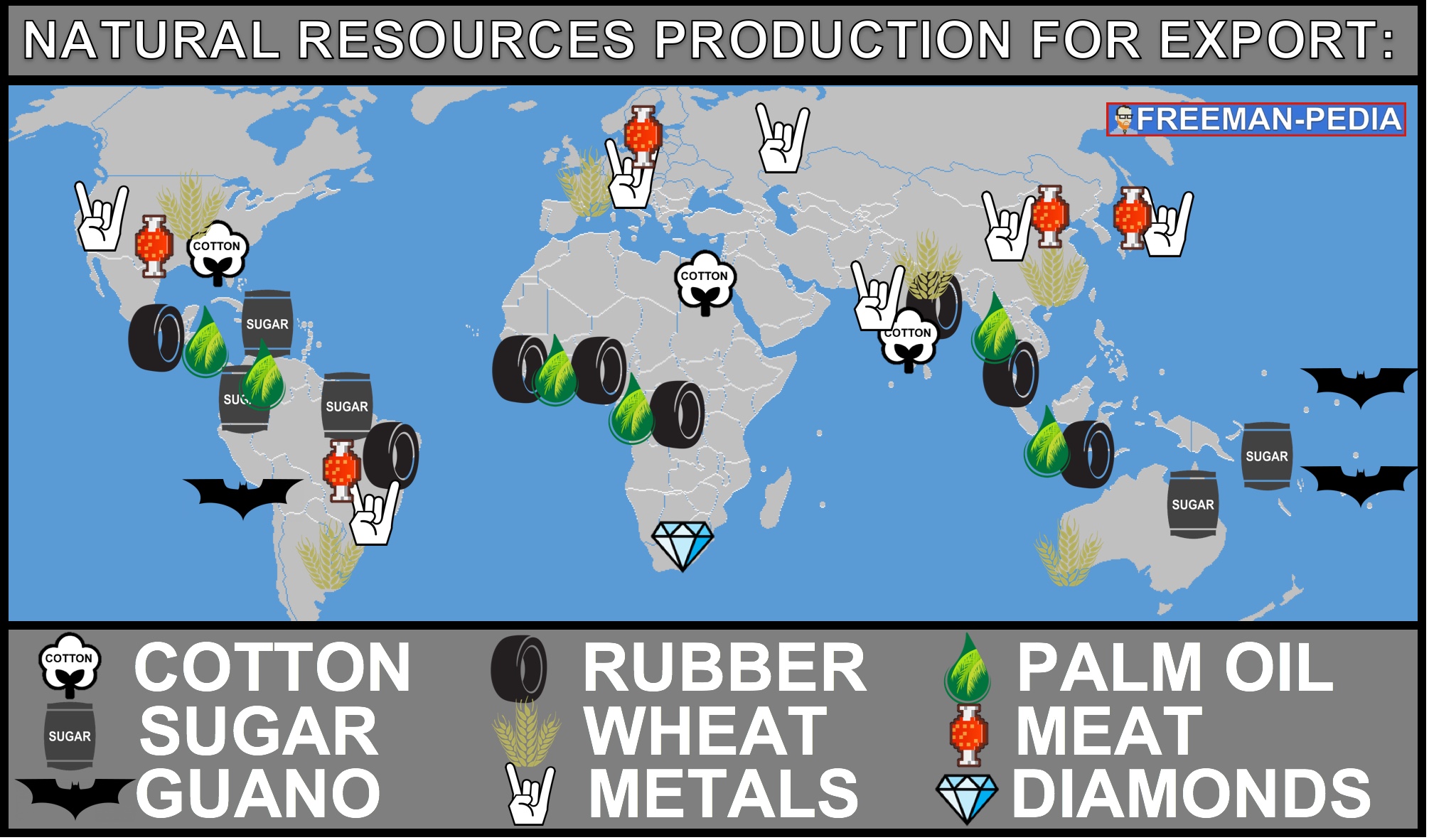
A. The need for raw materials for the facotires and increased nutrient supplies for the growing population in urban centers led to the growth of export economies effectually the worl that specialized in commercial extractin of natural resources and the production of food and industrial crops. The profits from these raw materials were used to buy finished appurtenances.
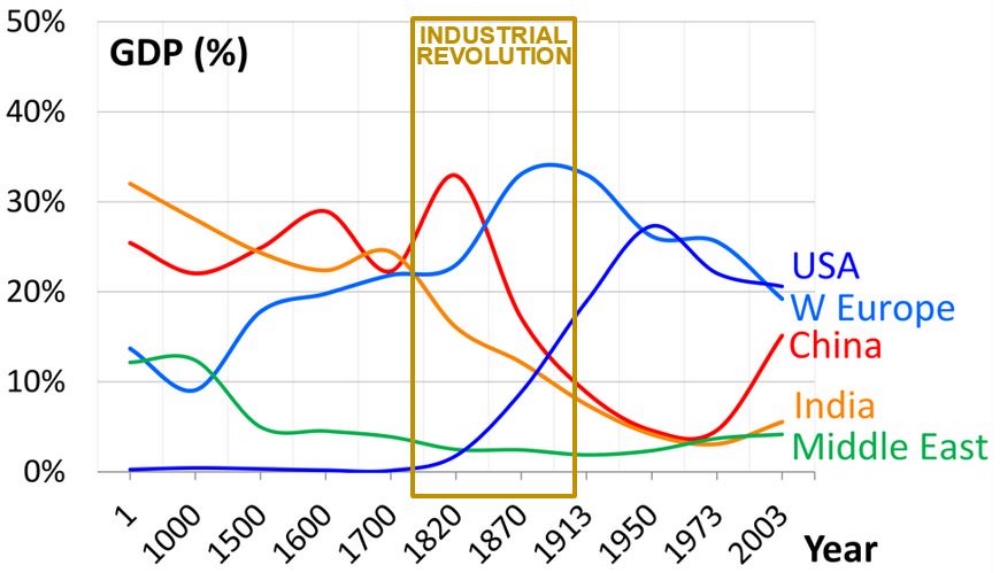
B. The rapid development of steam powered industrial product in European countries and the U.Due south. contributed to the increase in these regions' share of global manufacturing during the offset Industrial Revolution. While Middle Eastern and Asian countries continued to produe manufactured appurtenances, these regions' share in global manufacturing declined.

C. The global economy of the 19th century expanded dramatically from the previous period due to the increased exchanges of ra materials and finished goods in most parts of the world. Trade in some bolt was organized in a way that gave merchants and companies based in Europe and the US, a distinct economic advantage.
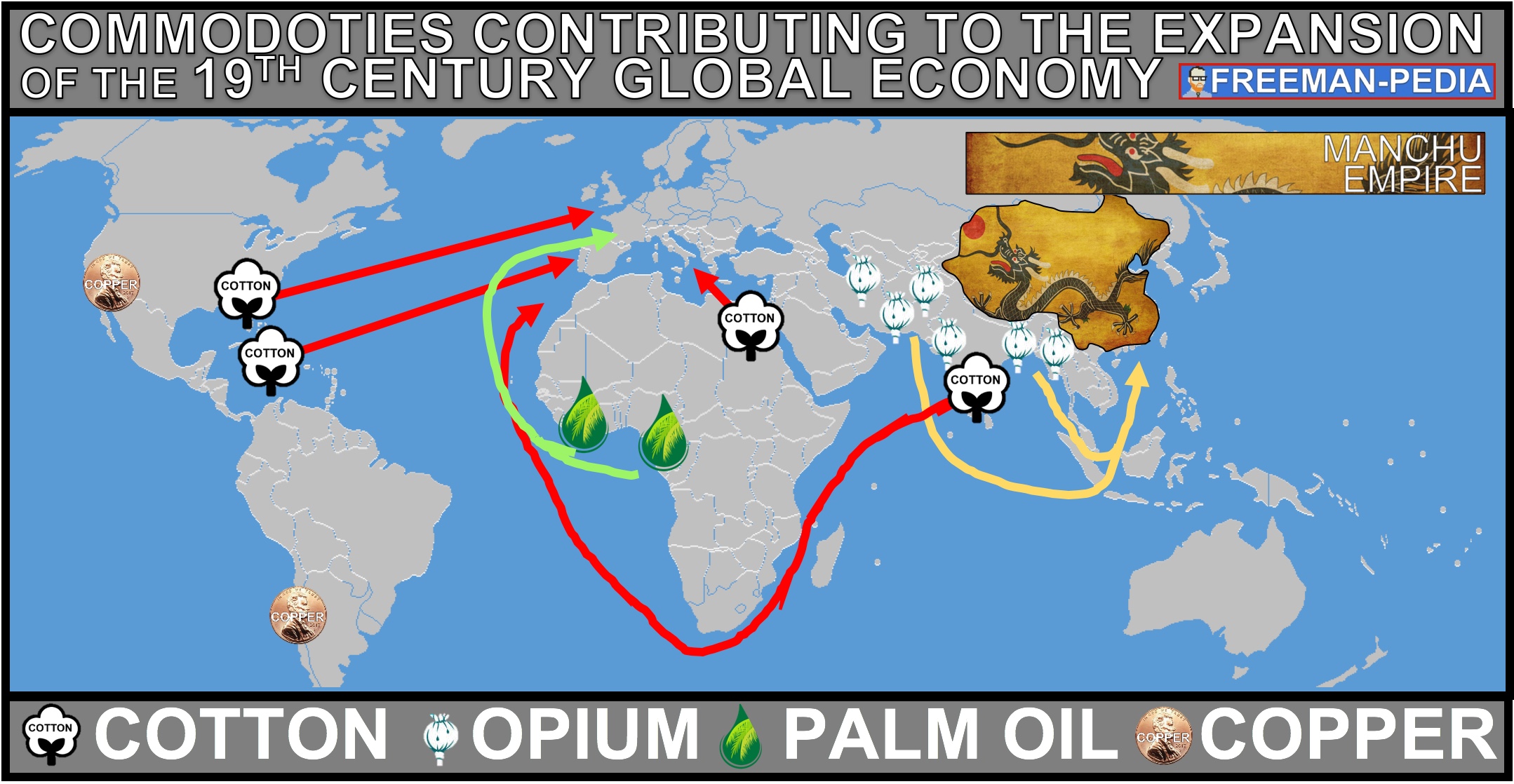
Iii. To facilitate investments at all levels of industrial production, financiers developed and expanded various financial institutions.

A. The ideological inspiration for economic changes lies in the development of capitalism and classical liberalism associated with Adam Smith and John Stuart Mill.

B. The global nature of trade and product contributed to the proliferation of large-scale transnational businesses(United Fruit Company, The HSBC- Hong Kong and Shanghai Banking Corporation... which currently owns freemanpedia.com which is why I had to put the stupid nuance in my domain proper noun. That'south right. HSBC is still out there and were able to scoop upwards my precious domain name before I switched from wikispaces to squarespace... end of rant)...
B. The global nature of trade and product contributed to the proliferation of large-scale transnational businesses(United Fruit Company, The HSBC- Hong Kong and Shanghai Banking Corporation... which currently owns freemanpedia.com which is why I had to put the stupid dash in my domain name. That'south correct. HSBC is yet out at that place and were able to scoop up my precious domain name before I switched from wikispaces to squarespace... end of rant)...

Iv. There were major developments and innovations in transportation and advice Required examples of developments in transportation and advice

V. The development and spread of global capitalism led to a variety of responses.
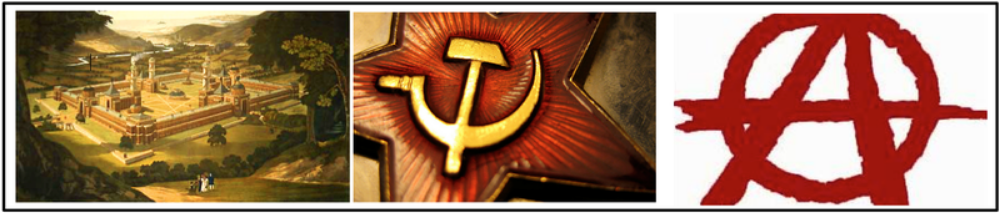
A. In industrialized states, many workers organized themselves (often into labor unions) to improve working weather condition, limit hours, and gain college wage. Workers' movements and political parties emerged in unlike areas, promoting alternative visions of society, including (Marxism, Anarchism).

B. In response to the expansion of industrializing states, some governments in Asia and Africa such equally the Ottoman Empire and Qing China, sought to reform and modernize their economies and militaries. Reform efforts were often resisted by some members of government or established


Six. The ways in which people organized themselves into societies also underwent significant transformations in industrialized states due to the fundamental restructuring of the global economic system.

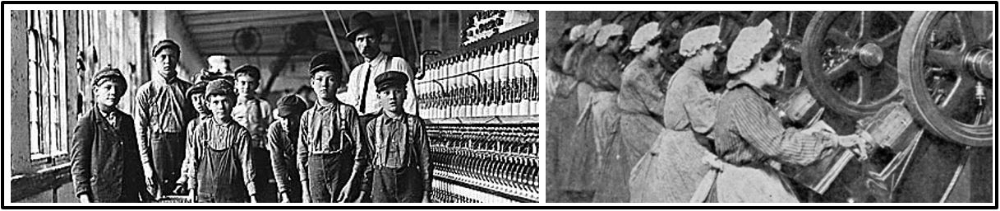
B. Family dynamics, gender roles, and demographics changed in response to industrialization.



As states industrialized during this period, they as well expanded their existing overseas colonies and established new types of colonies and transoceanic empires. Regional warfare and diplomacy both resulted in and were affected past this process of modern empire building. The procedure was led mostly by Europe, although not all states were affected equally, which led to an increase of European influence around the earth. The U.s.a. and Nippon likewise participated in this process. The growth of new empires challenged the power of existing land-based empires of Eurasia. New ideas about nationalism, race, gender, grade, and culture as well developed that facilitated the spread of transoceanic empires, too as justified anti-imperial resistance and the formation of new national identities.


The banner higher up takes you lot to a discussion of the Virginia SOL information/videos/notes on this topic

I. Industrializing powers established transoceanic empires.

B. European states, also as the Americans and the Japanese,established empiresthroughout Asia and the Pacific, while Spanish and Portuguese influence declined.


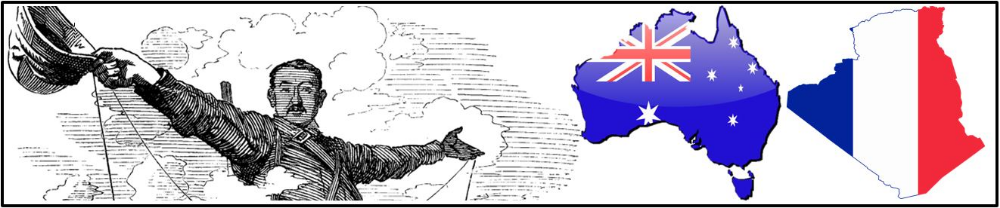

2. Imperialism influenced land formation and contraction around the world.

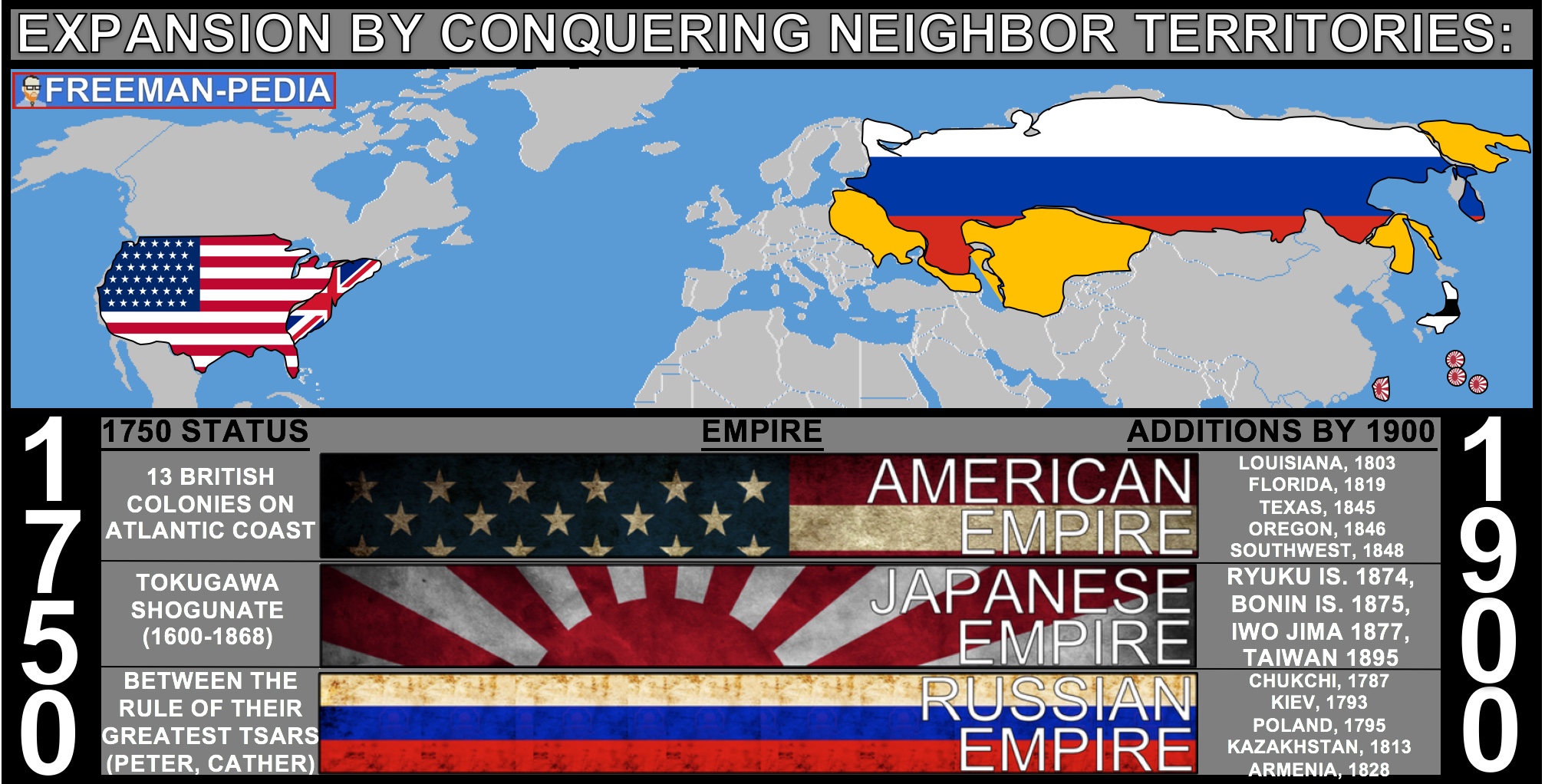
B. The United States, Russia, and Nihon expanded their land borders by conquering and settling neighboring territories.

C. Anti-resistance took diverse forms, including direct resistance within empires and the creation of new states on the peripheries.
III. In some imperial socieites, emergin cultural religious and racial ideologies, including Social Darwinism, were used to justify imperialism.
(Helm Melt is not mentioned in the AP Curriculum because who cares. But, the open letter hither is to WHITE MAN'south Burden from ii:45-3:30)


The eighteenth century marked the starting time of an intense period of revolution and rebellion against existing governments, and the institution of new nation-states effectually the world. Enlightenment thought and the resistance of colonized peoples to imperial centers shaped this revolutionary activity. These rebellions sometimes resulted in the formation of new states and stimulated the development of new ideologies. These new ideas in plough further stimulated the revolutionary and anti-Imperial tendencies of this menstruum.
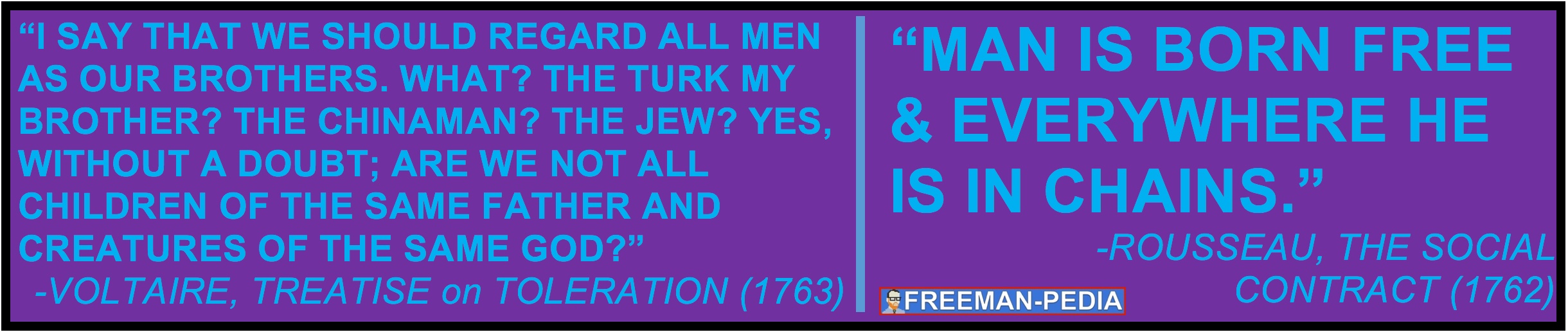
I. The rise and diffusion of Enlightenment thought that questioned established traditions in all areas of life often preceded the revolutions and rebellions confronting existing governments


The imprint above takes you to a discussion of the Virginia SOL information/videos/notes on this topic

A. Enlightenment philosophies applied new ways of understanding and empiricist approaches to both the natural world and man relationships, encouraging observation and inference in all spheres of life...
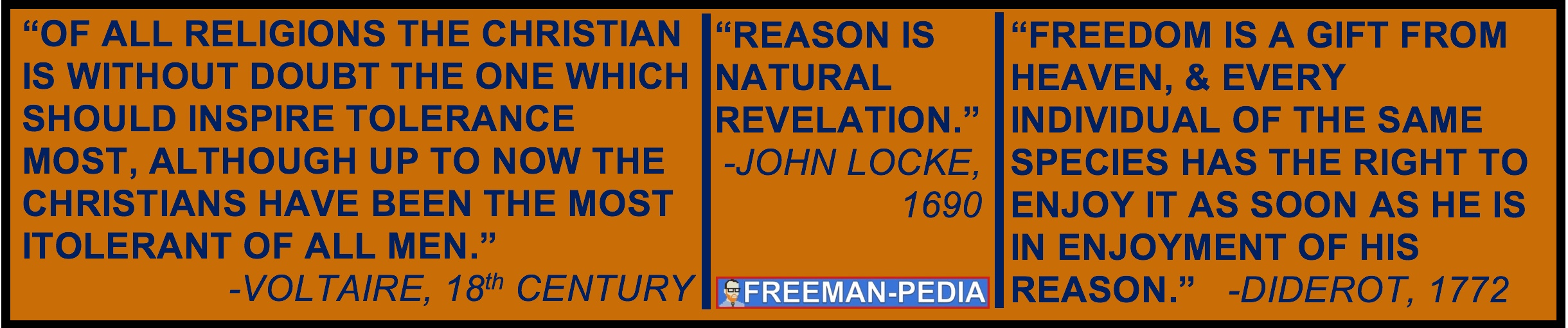
... they also reexamined the role that faith played in public life, insisting on the importance of reason as opposed to revelation...
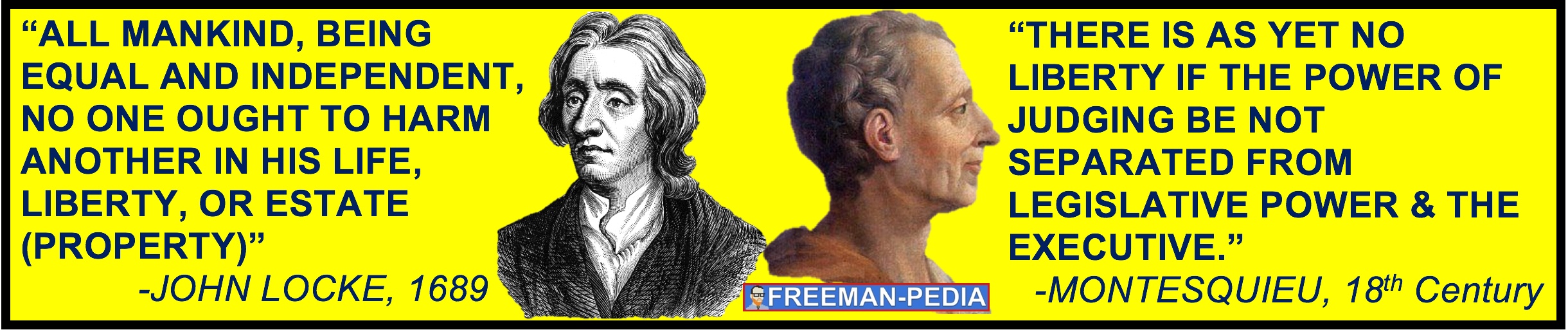
... other Enlightenment philosophies adult new political ideas about the individual, natural rights, and the social contract

B. The ideas of Enlightenment philosophers, as reflected in revolutionary documents (meet above) influenced resistance to existing political authorisation, often in pursuit of independence and autonomous ideals.

C. Enlightenment ideas influenced diverse reform movements that existing notions of social relations, which contributed to the expansion of rights as seen in expanded suffrage, the abolition of slavery and the end of serfdom, as their ideas were implemented.
Ii. Beginning in the eighteenth century, peoples effectually the globe developed a new sense of commonality based on language, religion, social customs and territory. These newly imagined national communities linked this identity with the borders of the country, while governments used this idea of Nationalism to unite diverse populations. In some cases, nationalists challenged boundaries or sought unification of fragmented regions.
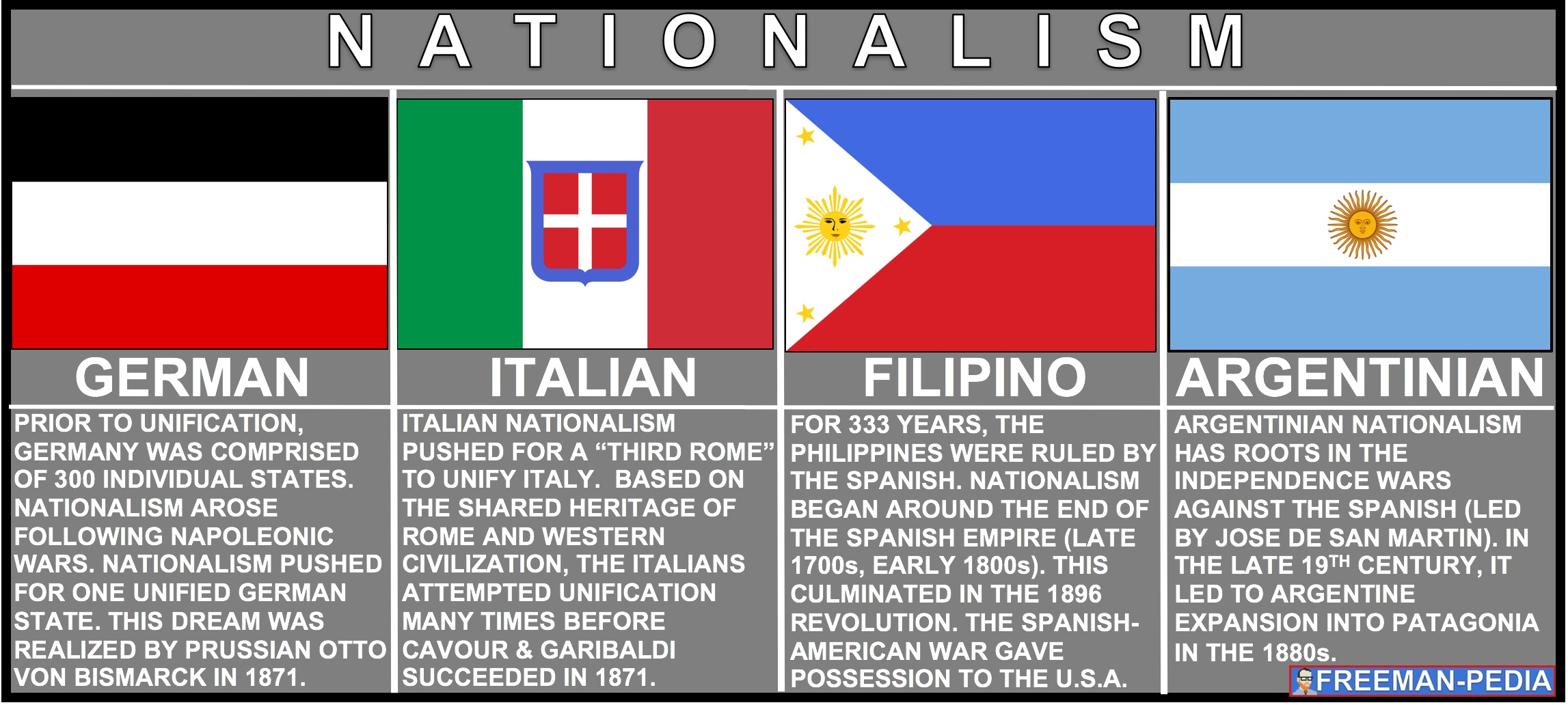
Iii. Increasing discontent with royal rule propelled reformist and revolutionary movements.

B. American colonial subjects led a series of rebellions (American, Haitian, & Latin American), which facilitated the emergence of contained states in the U.s., Haiti, and mainland Latin America.




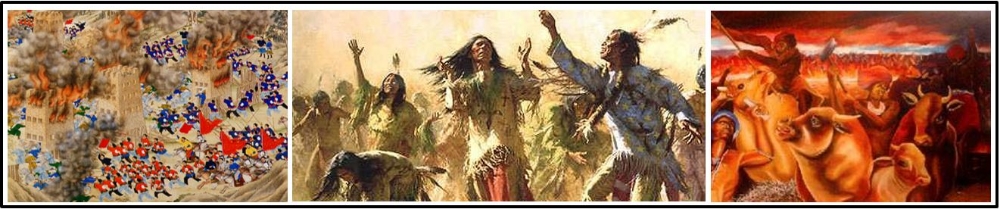
4. The global spread of European political and social thought and the increasing number of rebellions stimulated new transnational ideologies and solidarities.

A. Discontent with monarchist and regal rule encouraged the development of political ideologies, including liberalism, socialism, and communism.


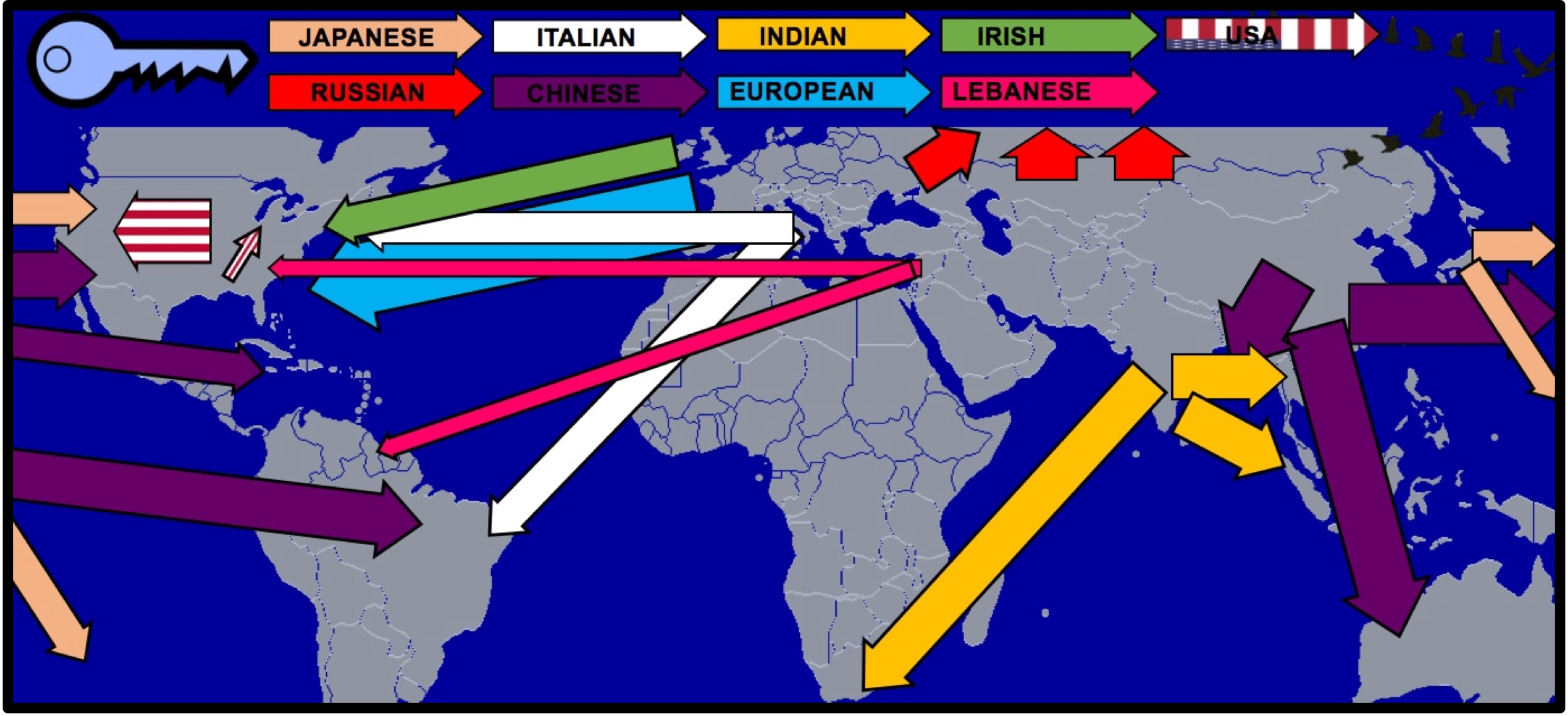
Migration patterns inverse dramatically throughout this period, and the numbers of migrants increased significantly. These changes were closely connected to the development of transoceanic empires and a global capitalist economy. In some cases, people benefited economically from migration, while other people were seen simply as commodities to exist transported. In both cases, migration produced dramatically unlike societies for both sending and receiving societies, and presented challenges to governments in fostering national identities and regulating the catamenia of people.
I. Migration in many cases was influenced by changes in demographICS in both industrialized and un-industrialized societies that presented challenges to existing patterns of living.

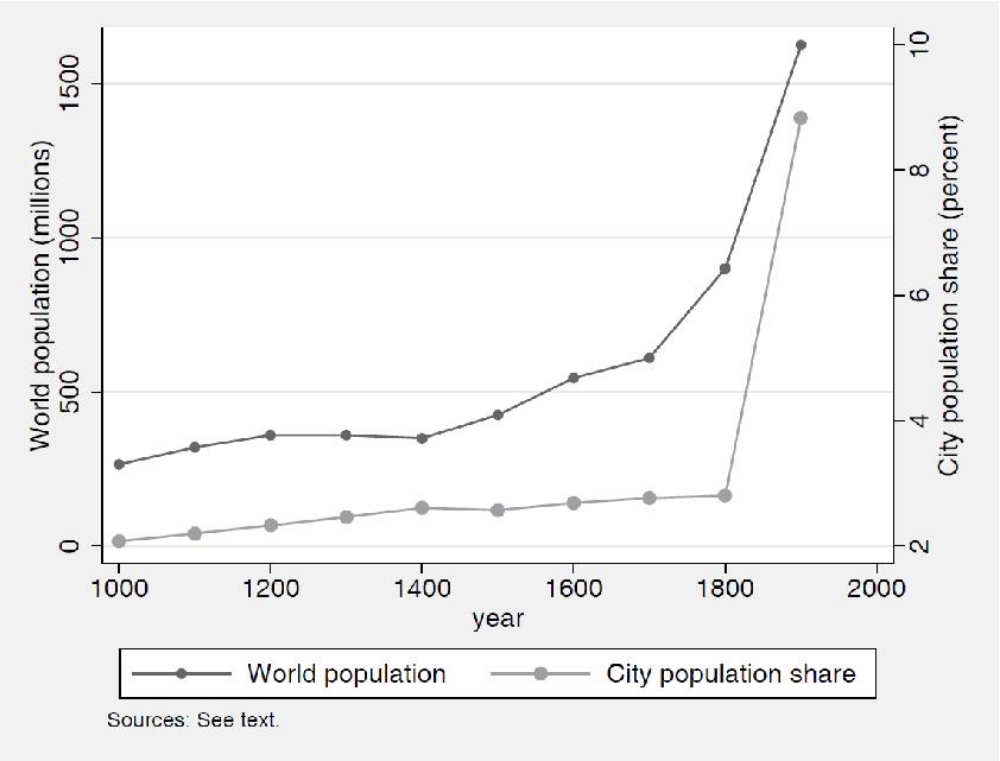
B. Because of the nature of the new modes of transportation, both internal and external migrants increasingly relocated to cities. This pattern contributed to the meaning global urbanization of the nineteenth century. The new methods of transportation also allowed for many migrants to return periodically or permanently to their home societies. (Japanese Agronomical workers in the Pacific, Lebanese merchants in the Americas, Italians in Argentine republic)
Two. Migrants (manual laborers, specialized professionals) relocated for a variety of reasons.

A. Many individuals (manual laborers, specialized professionals)chose freely to relocate, often in search of piece of work
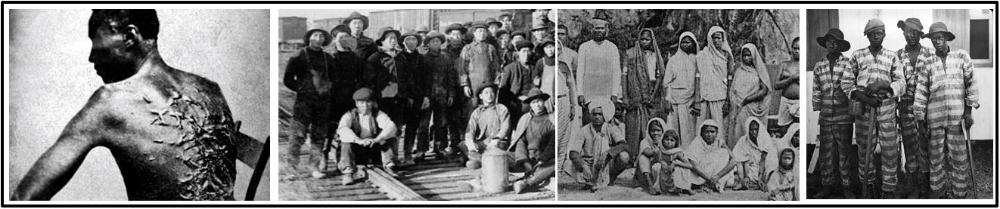
3. The large-calibration nature of migration, especially in the nineteenth century, produced a diverseness of consequences and reactions to the increasingly diverse societies on the role of migrants and the existing populations.
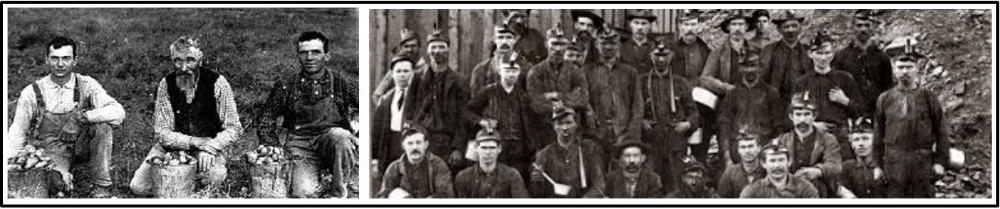
A. Migrants tended to be male, leaving women to take on new roles in the abode society that had been formerly occupied by men.
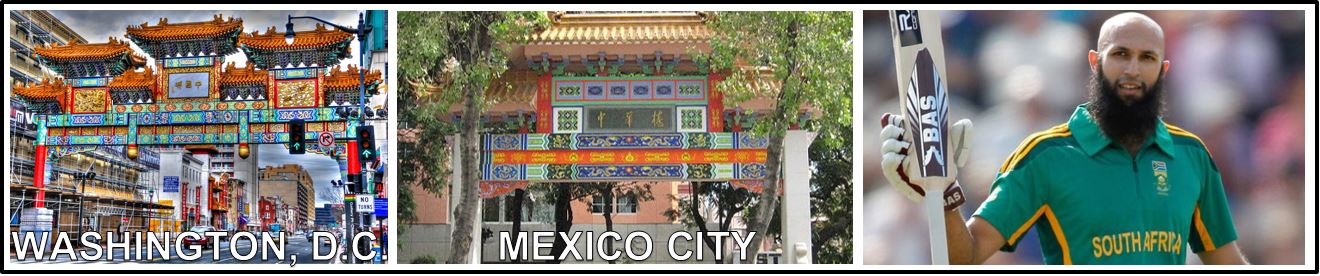

C. Receiving societies did not e'er embrace immigrants, every bit seen in the various degrees of ethnic and racial prejudice and the ways states attempted to regulate the increased menstruum of people (Chinese Exclusion Act, White Australia Policy) across their borders.



The information that follows is not specifically mentioned by the Higher Board. Notwithstanding, it will make you lot a more than culturally well-rounded person; and so... you're welcome.

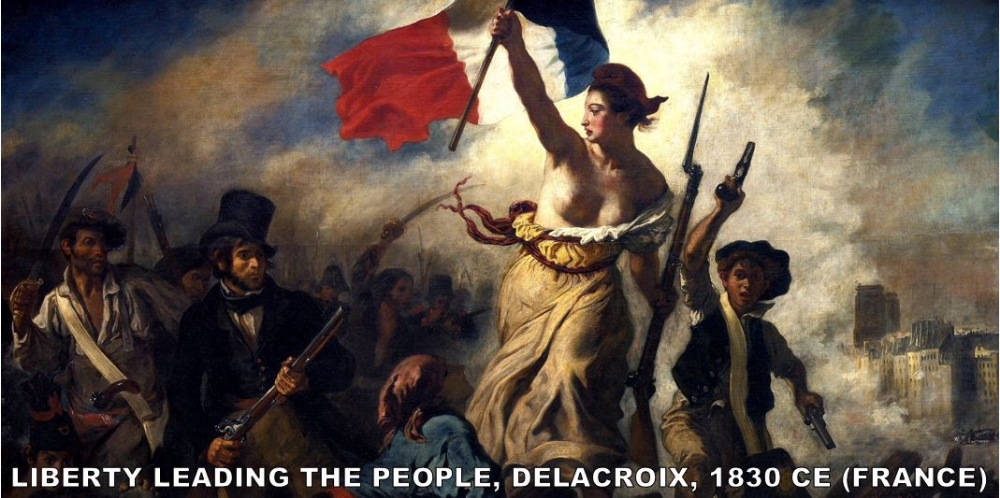
I know what you lot're thinking… This is a painting of the French Revolution of 1789!This is a mutual misconception. This is actually used to depict the 1830 French Revolution. Delacroix, who was already a world-famous painter famously said, "if I haven't fought for my country at least I'll paint for her." If the lady in the center looks familiar, it's considering she as the model used for the Statue of Liberty. This painting has come up to symbolize the anti-monarchist revolutions of the 19th century.
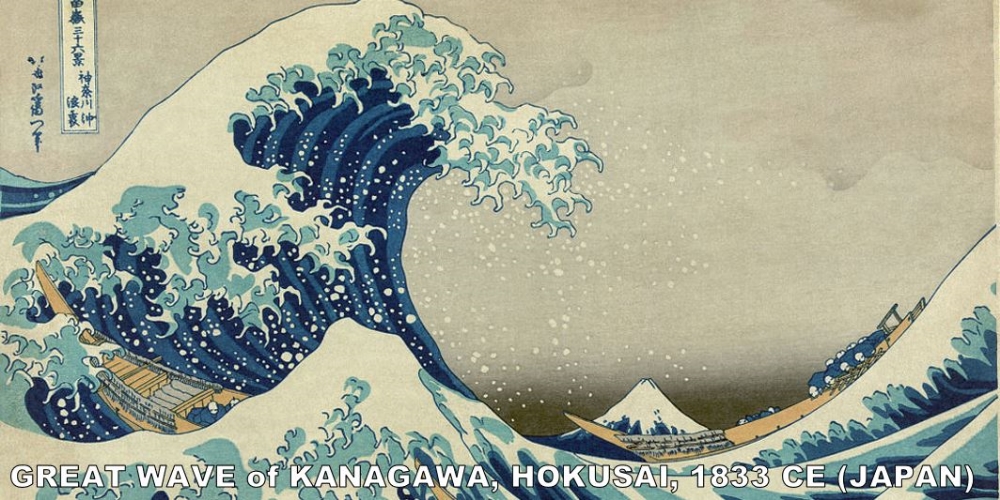
It took me years to realize that this is actually a painting of Mt. Fuji. I always just focused on the huge moving ridge and the boats that were being tossed around. This is easily the most famous slice of Japanese art. It was created as a cartoon then, using that drawing, woods-blocks were created to print the image. The Bully Wave is really 1 of 36 forest block prints by Hokusai of Mt. Fuji. Mt. Fuji is the focal point of much of Japanese art.

Adjacent year, you're going to hear a lot more about American History. But, Manifest Destiny is brought up in AP Earth History in this era. This painting was commissioned by a publisher of Western Travel Guides. I was shocked to find out that this painting, like the Mona Lisa, is actually pretty small. It's just 12"x 16". It'due south pretty literal. People are heading due west. Notice how the Native Americans precede the settlers. Likewise, you tin can meet they are followed by the railroads.

Van Gogh's nigh famous painting was the view from his window in June of 1889. Which window? The window of the insane aviary that he checked himself into after cut off his ear. Aye… THAT window. He stayed in the Asylum for a year and produced some of his most famous work there. Van Gogh himself later on stated that he painted the stars likewise large (everyone's a critic). My favorite part? Using the astronomical records, the largest star in the painting Starry Night is actually Venus… a planet.

This photograph was taken in New York City by Jacob Riis. This was one of many photos Riis used for his work, How the Other Half Lives. The book highlighted the immigrants living in tenement housing in the 1880s. Photos similar this were used to evidence the upper classes what life was like for the poor in New York City. The championship "Street Arabs" refers to the nomadic nature of these children. Initially banned due to their graphic nature, Riis' book helped lead to reforms in the tenement housing/sweashops of New York City.

- DECLARATION of INDEPENDENCE, 1776, Thomas Jefferson (USA)
- WEALTH of NATIONS, 1776, Adam Smith (SCOTLAND)
- Declaration of the RIGHTS of Human being , 1789, National Assembly (FRANCE)
- JAMAICA Alphabetic character, 1815, Simon Bolivar (JAMAICA)
- COMMUNIST MANIFESTO, 1848, Karl Marx (Deutschland)



-
THE INDUSTRIAL REVOLUTION CHANGED THE Manner THAT EVERYTHING IS MADE AND WOULD LEAD EUROPE TO DOMINATE THE World.
-
USING THEIR NEW INDUSTRIAL POWERS, EUROPE WENT OUT AND CONQUERED EVERYWHERE THEY HAD Not GOTTEN TO IN THE Final ERA (CENTRAL AFRICA, ASIA, Commonwealth of australia).
-
EUROPEAN ENLIGHTENMENT IDEAS SPREAD AND LED TO REVOLUTIONS IN THE NEW Earth (AND IN EUROPE).
-
TRADITIONAL Earth POWERS FROM THE Final ERA WEAKENED (SPAIN, OTTOMANS, MUGHALS, QING CHINA) WHILE NEW WORLD POWERS ROSE ( U.s.a., GERMANY, Nihon).
-
HUGE EMPIRES + BOOMING INDUSTRIAL ECONOMIES= GLOBAL MIGRATIONS (People moving for work)
Source: https://www.freeman-pedia.com/modern-1750-1900/
0 Response to "Art From Renaissance Cotton Textile Production in India Ap World History"
Post a Comment